
It has been quite some time since I’ve written anything here.
My post-summer routine turned out to be very demanding, with my new goldsmith course and trying to balance my day job with my personal projects. I’ve spent some days thinking how could I come back to Substack and what could be the subject of my next article, and this experience from two weeks ago seems to be the perfect choice.
It was during summer that I received an unexpected message on Instagram from Eco Fashion week Australia. Apparently, they were interested in my work and invited me to participate in this year’s edition, and if I couldn’t attend in person, I had the option to just ship my garments to them.
I confess that in the beginning I was very suspicious of everything, as it was all *too* exciting to be true. But after long message exchanges and some research about the event, I decided to go. Still very weary about taking a 14h flight to another continent where I have never been to.
Besides all the doubts, the experience was mind-blowing, and it put me in contact with the kind of reality I want to be part of.
As the name suggests, it’s a sustainable fashion event based in Australia (Perth to be precise), founded by Dr. Zuhal Kuvan-Mills. After a couple of hours of my first day at the event, I had the opportunity to talk to her in person, which was a lovely experience in itself, with her kindness and hospitality.
She explained a bit more about the event, and her background as a Professor of environmental sciences, her involvement with visual and performance arts and also about her alpacas. It was incredible and very enriching to meet someone like her, as she is a very clear example of someone who is a ‘multitude’, without being fixed in a box.
Her idea was not to create just another fashion event, it’s supposed to serve as a medium for educating people on sustainability, clothing, textiles and workers rights. But also to be a way to show human creativity and craftsmanship that are not bound by marketing trends.
In her words: “I want people feel that this is an art gallery, not a fashion show”
I got the same vibe from other designers and artisans I met there. People who willingly and consciously refuse the idea of succumbing to the mainstream fashion system.
To quote one of the designers I had the pleasure to meet: “Once you experience the shallowness of fashion in Europe, you start to value things like this. There is a certain innocence, but that’s what makes it honest”
And honesty is the keyword here. It’s true that the event didn’t have the same resources and structure of the system I see in Milan where I work for example. The event runs as a non-profit, managed mostly by volunteers and people who believe in the project, and it feels pretty much like a grassroot initiative. It has a purpose, a clear goal and honesty. It is a real project made by real people, for real people.
People who value kindness, sincerity and the environment.
It was a pleasure and an honor, to be able to escape this current system for a bit, and be able to experience a reality with much more substance and principles.
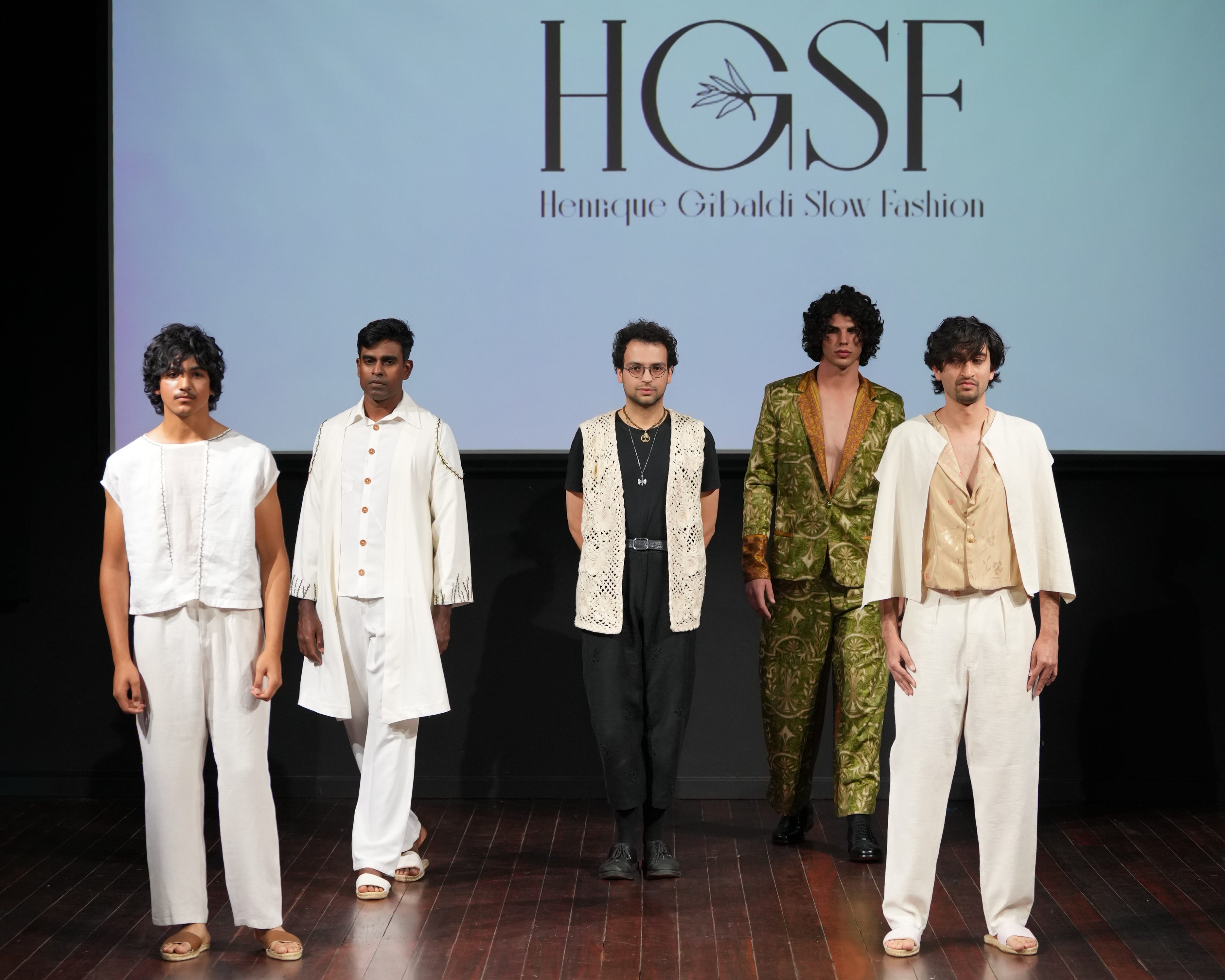
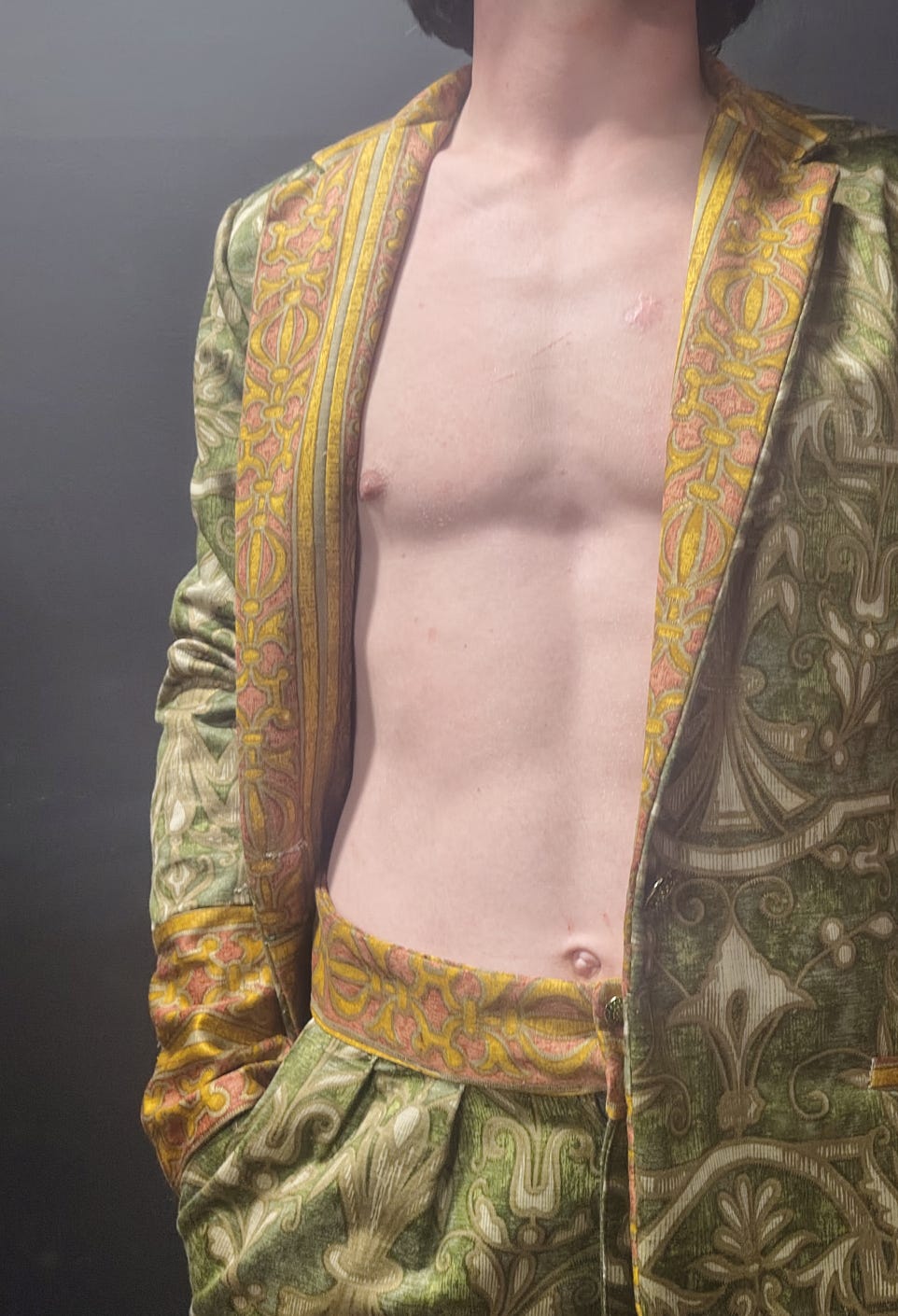
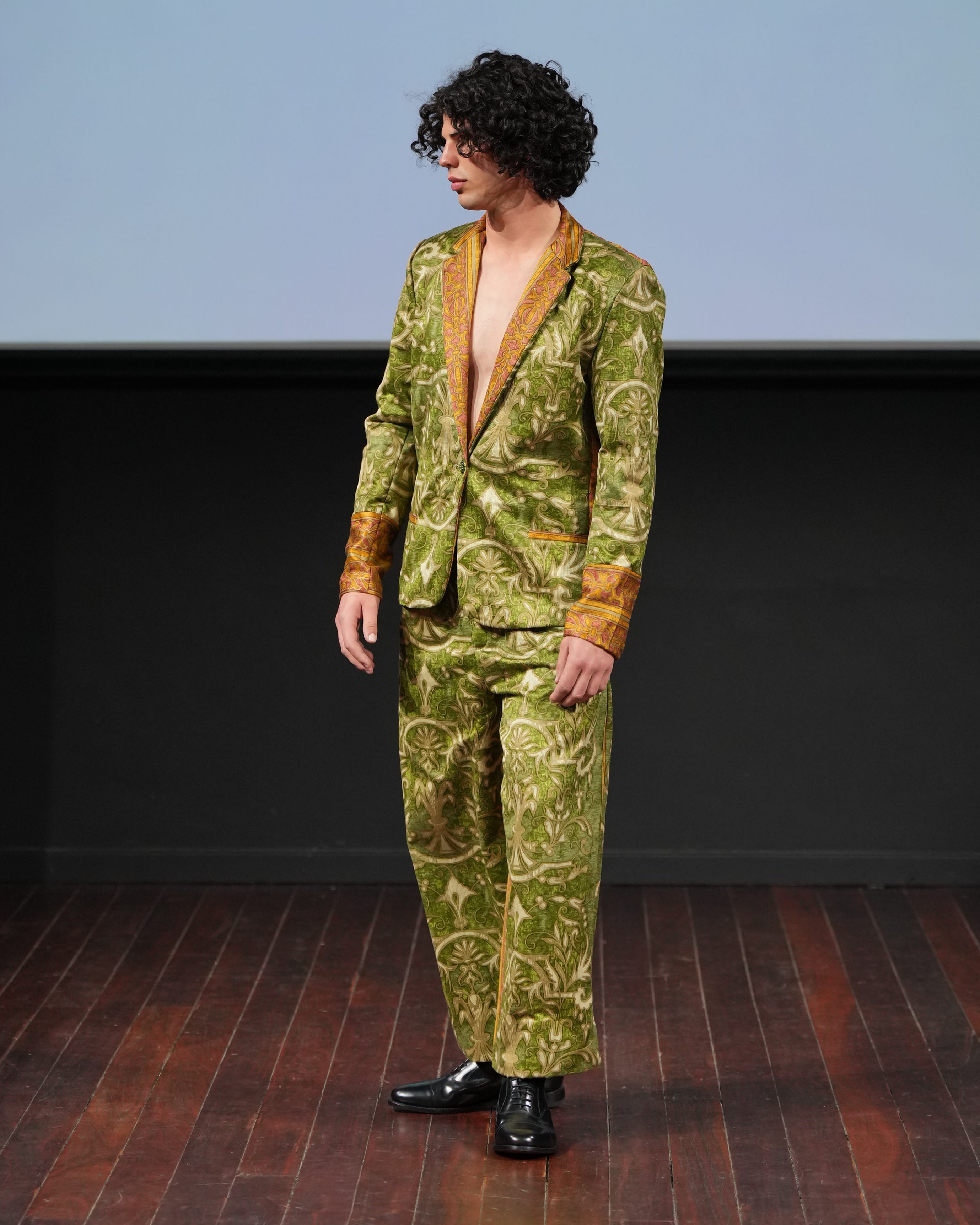
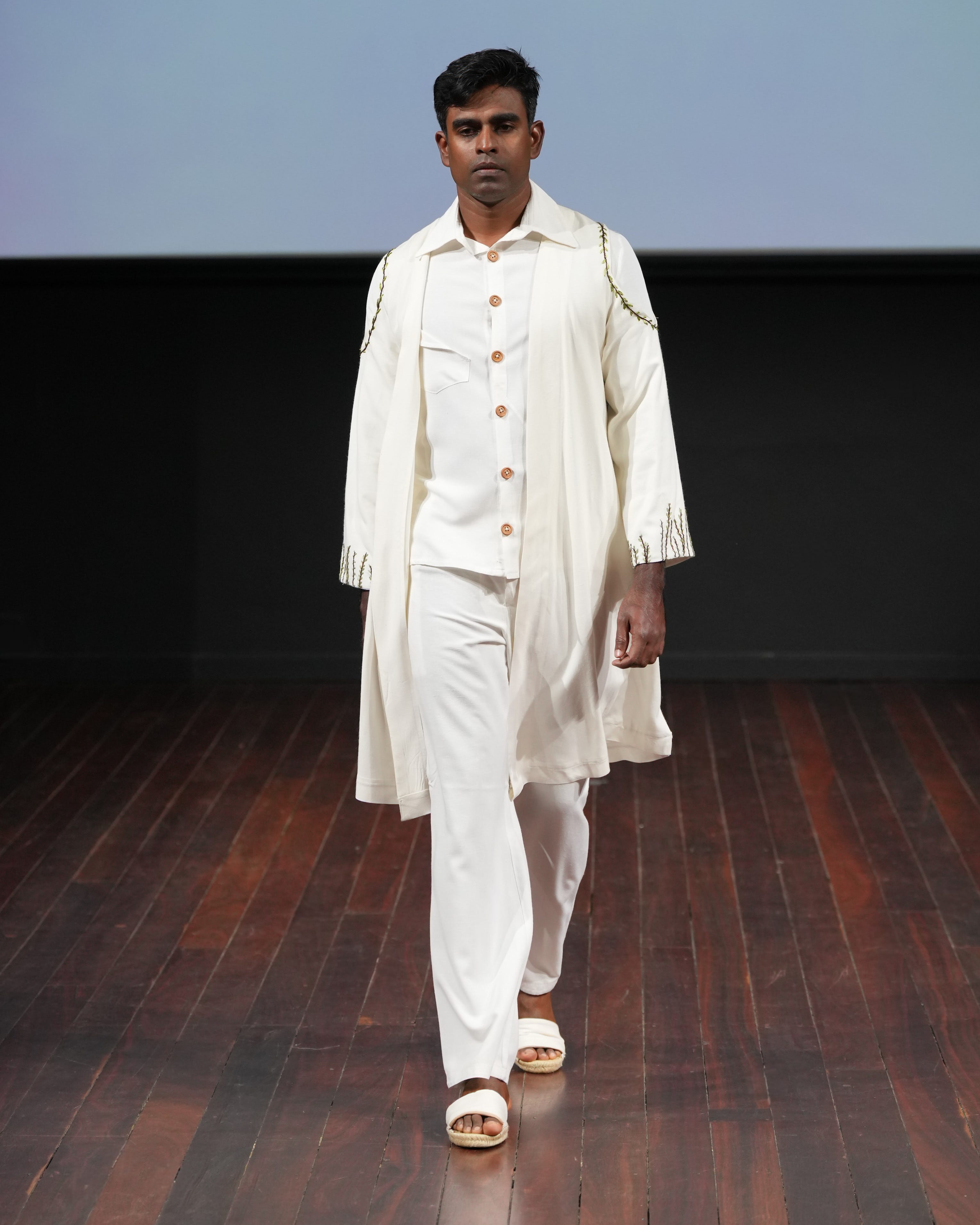
I didn’t bring much to the event. Four outfits in total, two from a past project, and the other two from my current unfinished collection. Slow fashion really means slow to me, so I try to not overproduce, and I was also ‘testing the waters’ with my experience with EFWA.
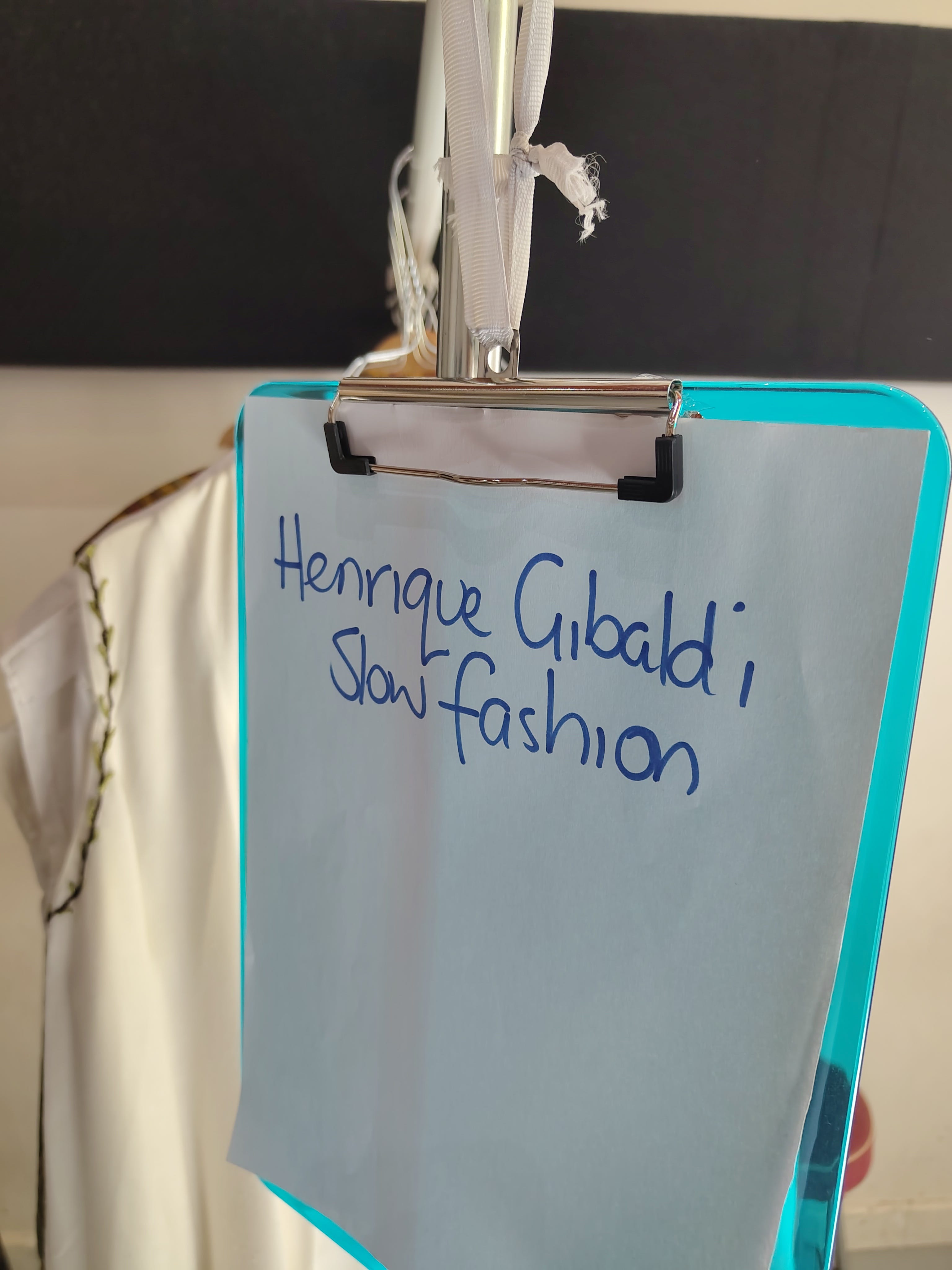
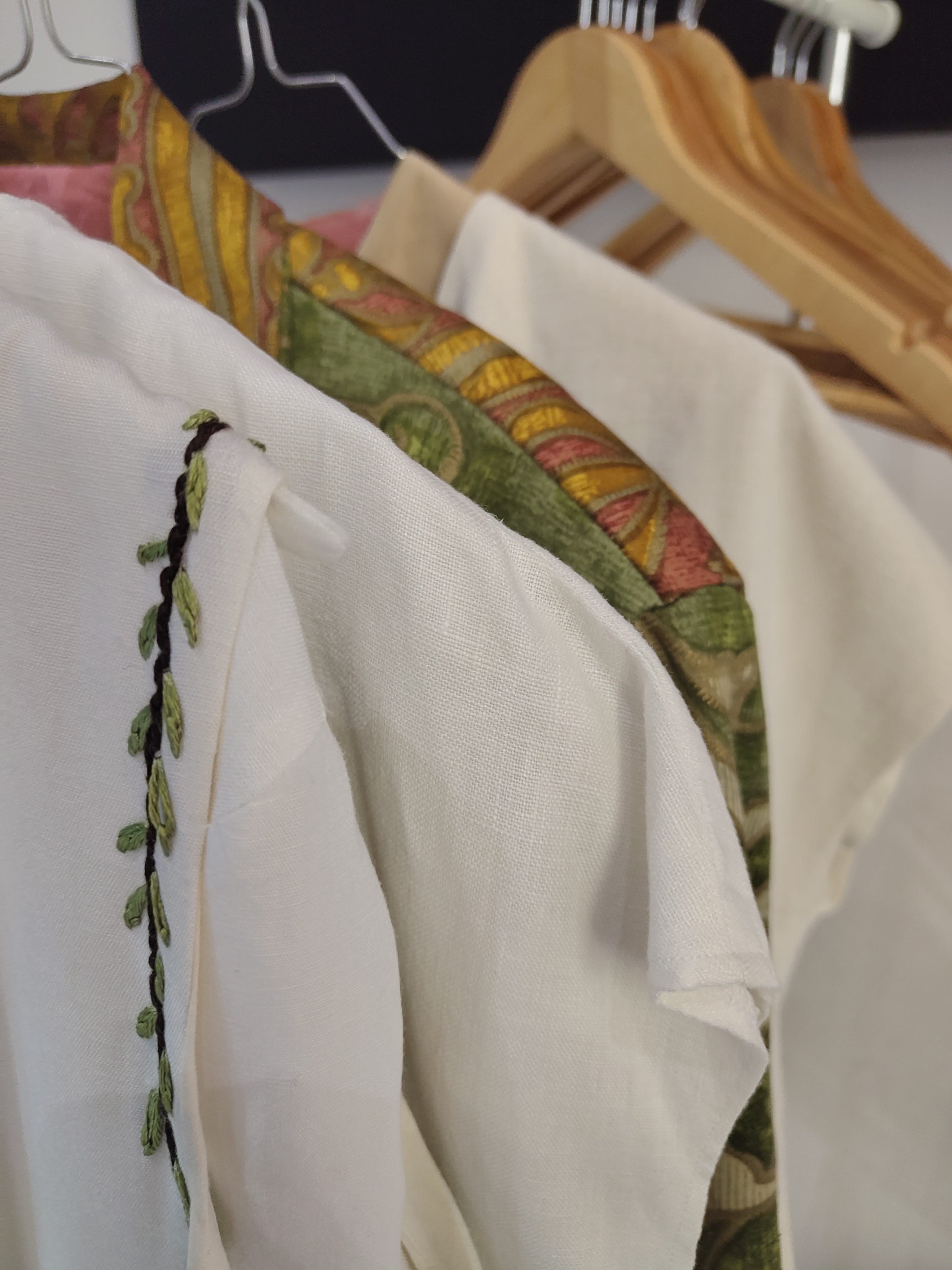
This year’s theme was “Handmade for the Earth”, and the idea of really putting Craftsmanship in service of the planet and others. A perfect match to my own idea on how to proceed with my creations, they connect to the theme in the most literal possible meaning. Most of the fabrics I use are completely natural, from Hemp to Nettle and linen. Although I also try to up cycle used textiles. Where the materials come from is also an important issue to me. Right now all of my materials come from an independent Milanese manufacturer specialized in natural fibers, or local flea markets around the city where I can find anything that can be reused.
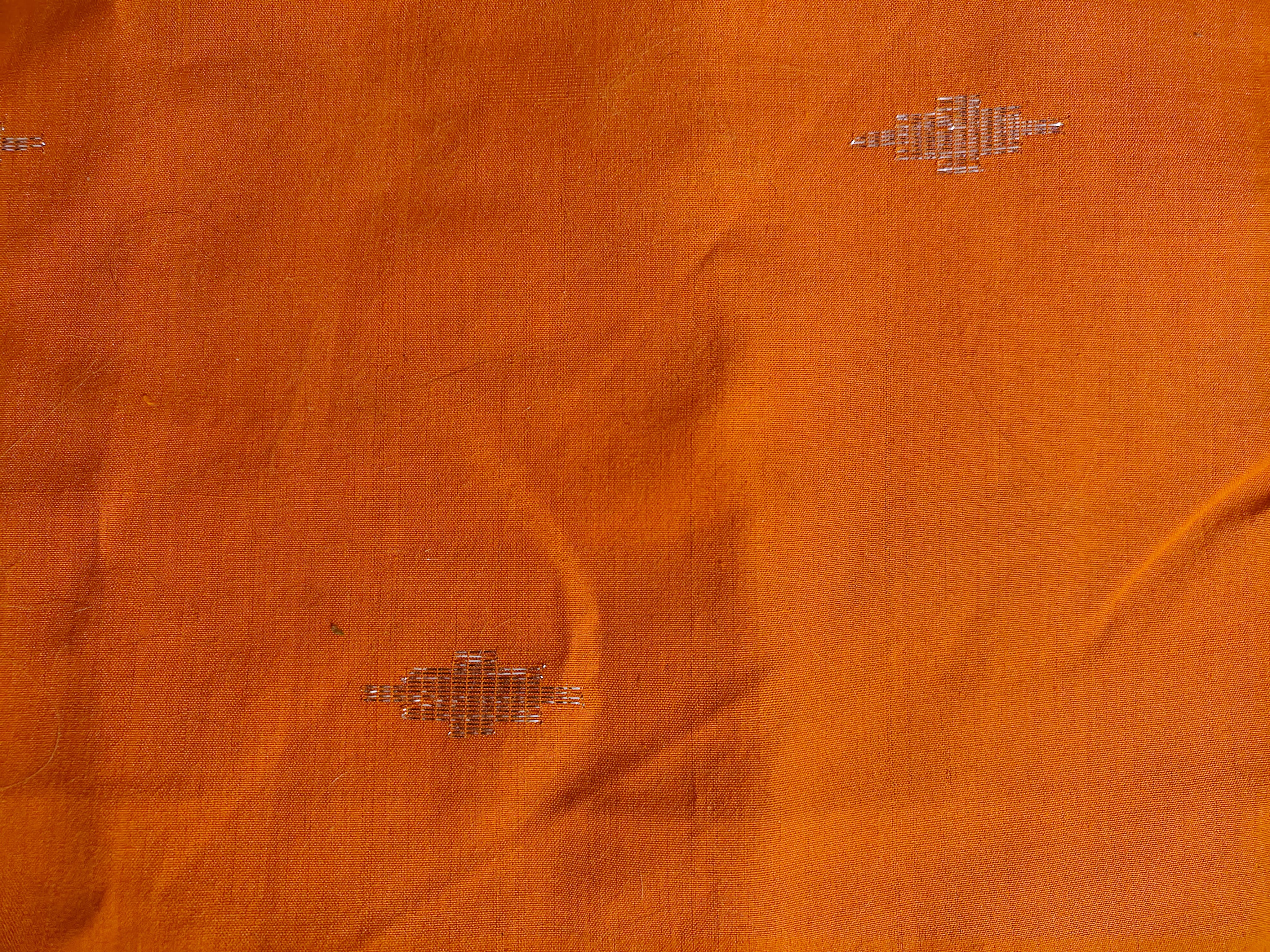
I was also gifted a traditional handwoven Indonesian Buya subi textile from Dr. Zuhal for a next collaboration. It’s an international initiative supported by EFWA, the Central Sulawesi Provincial Government, and local universities to protect this Craft, support women weavers, and promote sustainable fashion. Which highlights another aspect of EFWA: The preservation of human knowledge through textiles. Most of them have been part of our history of centuries, especially fibers like linen, that has a cultural significance from ancient Egypt to modern Belfast. They might be overlooked by most people, as there is a general disconnection from textile and artisanal history, but I think exalting the materials themselves, and making people realize their constant presence in our history is important.
Overall, it was an amazing experience and opportunity to show some of my work, make real human connections, support artisan Craft and be involved in something that really has a meaning and purpose. Especially with the growth of AI everywhere.
It was a celebration of humanity, and the endless forms most beautiful that come out of it.
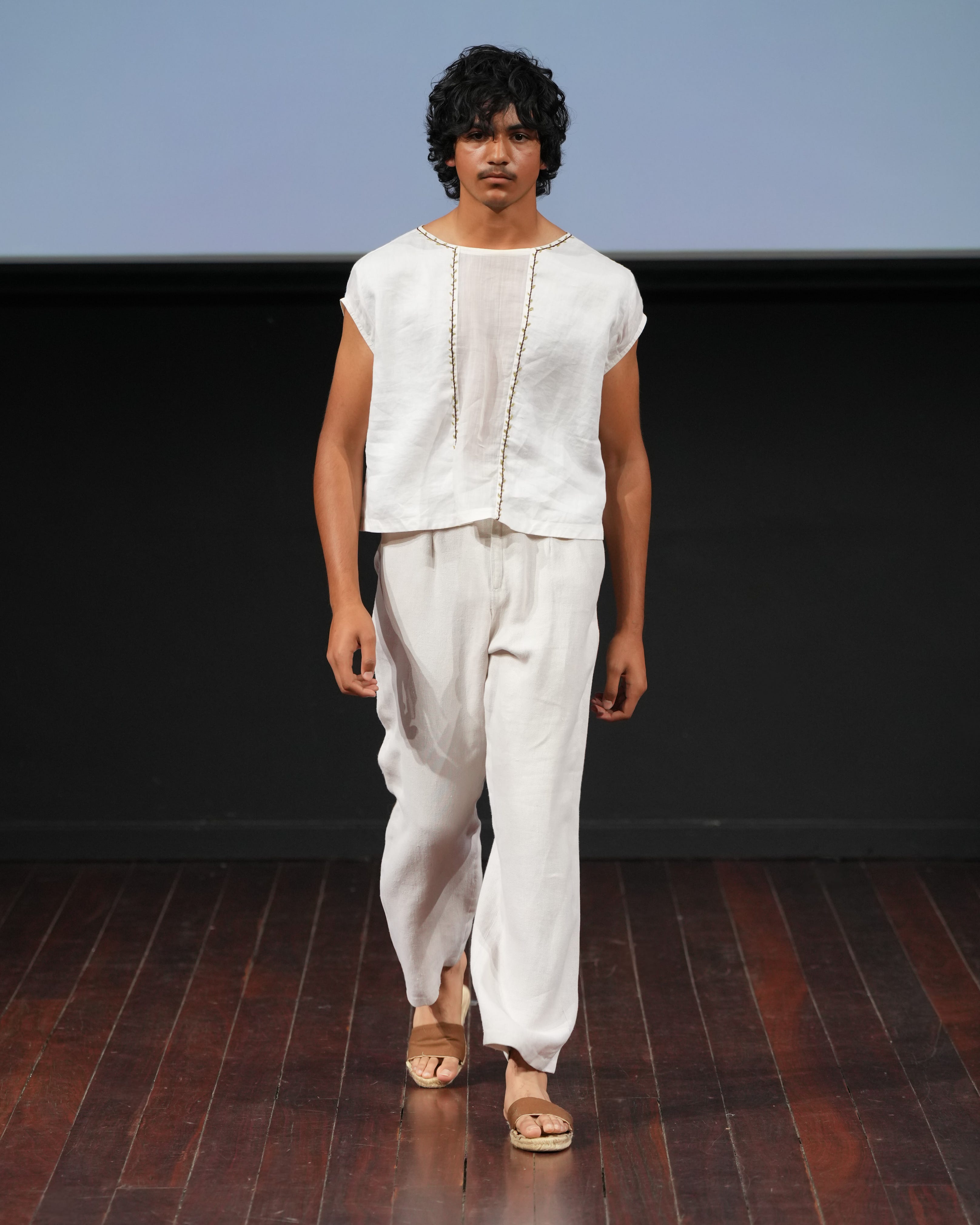
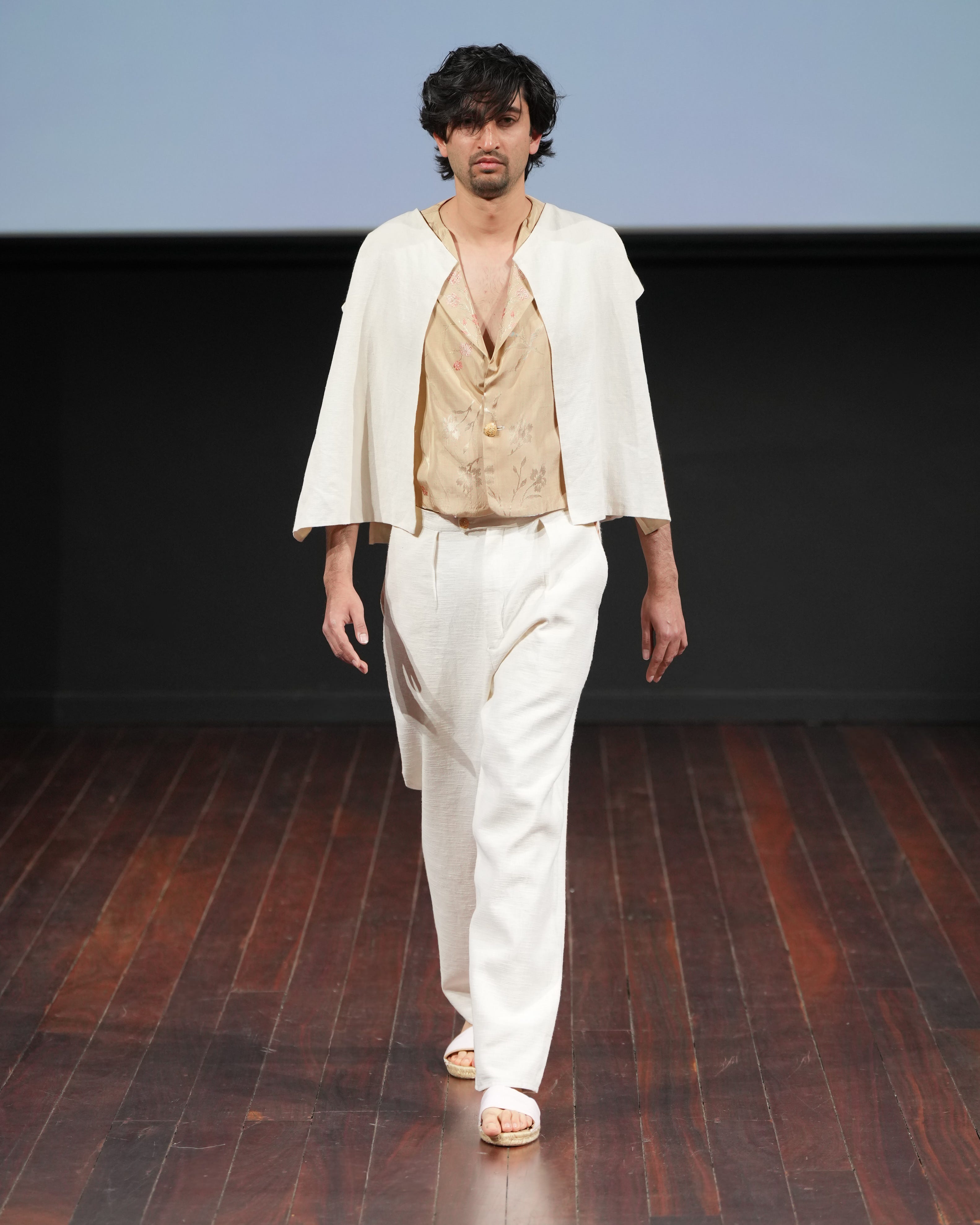
Video by Alexis_Rose_Photo.
Wow! How wonderful! I loved all the designs, the second and the last are my favorites.