This summer I wanted to escape the heat. Although I miss the sea greatly, I was craving for somewhere cooler.
My best friend then proposed a trip to Belfast.
I was always fascinated by the emerald Island, and spent time there to study English in Limerick some years ago. I was in love with the fairy lore, the landscape and the homeland of two of my favorite writers: W.B Yeats and Oscar Wilde. So I was down to return there.
I was positively surprised when a trip inspired by folklore, poetry and connection with nature actually became an opportunity to learn an interesting piece of fashion and textile history, and how Belfast is the center for one of my favorite fibers to work with.
A folk production
As with many other fibers and spinning techniques, the production of linen was mostly done in the countryside by children and women who would perform a long manual process of turning flax seeds into fiber and thread. Men would then take part in the process of weaving the threads into fabrics with spinning wheels and hand looms. The result would be a brown linen textile, sold at markets to be bleached and dyed. Although it was a long and intensive process, Ireland was already known for its Linen production, exporting most of it to England.
The first changes into the traditional, and familiar production of linen in the countryside started with the arrival of French Huguenots, Calvinist protestants who settled in Northern Ireland by the end of the 17th century, bringing with them new work force and techniques. The Linen Board would then be established in 1711 to oversee the growth of new ways of production and to import newer and better seeds into the country, and in 1784, the White linen Hall was built in Belfast in a way to compete with the linen market of Dublin.
The birth of an Industry
In 1845 the company called Combe Barbour was created, and this would raise the levels of production from countryside tradition to a urban industry. They were located in the Falls Road area of West Belfast, and produced machinery not only for linen textile, but also for other fibers such as jute, hemp, rope and cotton. Another historical machinery manufacturer was James Mackie & Sons, who would also export their machines worldwide.
As we all know by now, the process of industrialization created a way for a faster and cheaper production, that traditional handmade methods from the countryside could not compete. The rural exodus then started, with a large a migration flow into the city, with people looking to work in the new linen mills.
The industry had another boom in 1861 with the outbreak of the US civil war impacting the supply chain of US cotton and increasing the demand for Irish linen.
By 1900, over 65.000 people worked at the Irish linen mills, mainly in Belfast. The working conditions weren’t easy, working for 6 days a week for over 12 hours per day. Most workers were women who continued to work after marriage, or who returned right after child birth. Work safety varied according to occupation, with the final stages of production such as embroidery, having a very low pay but safer and healthier working conditions.
Today, at least within the Irish linen industry, the working conditions are far better. Although textile and garment workers around the world, are still working under the same (or worse) conditions than those from the linen mills of over a hundred years ago.
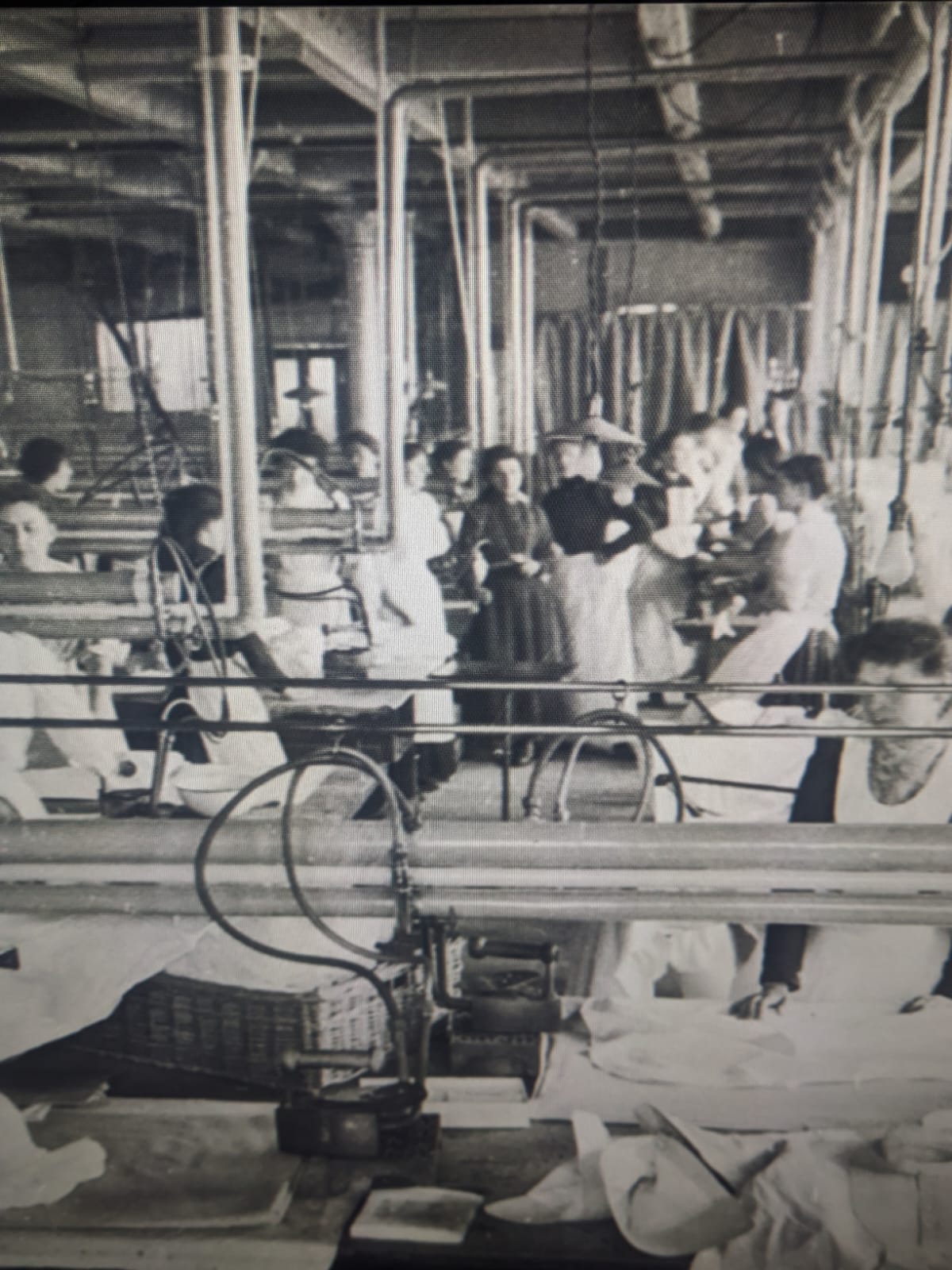
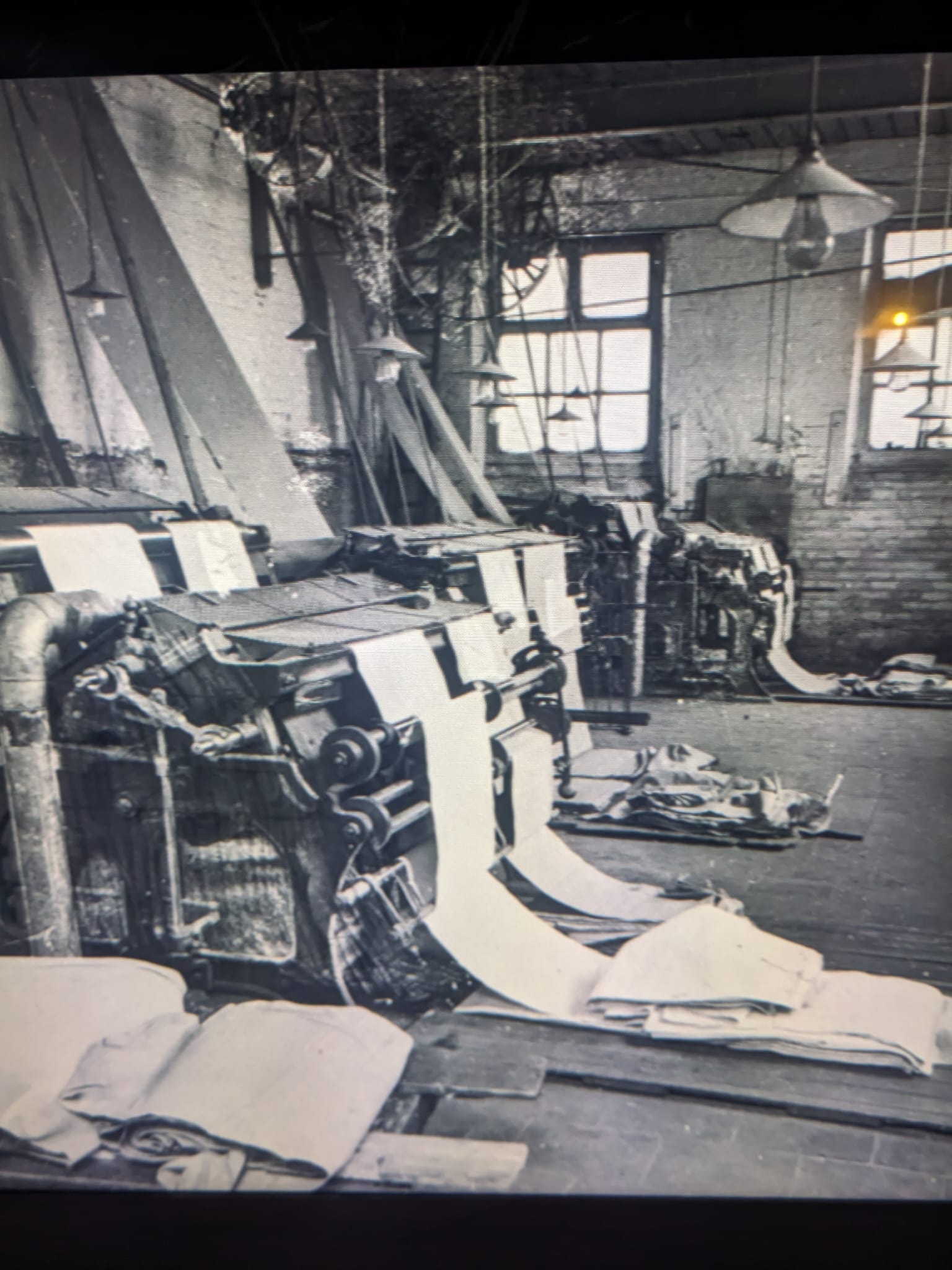
A sustainable fiber
In terms of sustainability, linen is far superior than cotton by needing less resources to be produced, but this is not their only benefit:
Flax plants are CO2-neutral
Flax grows without competing with directly with food crops
It’s a durable fiber, that also becomes softer with use.
It’s lightweight and breathable, and in the context of menswear, is perfect for summer suits.
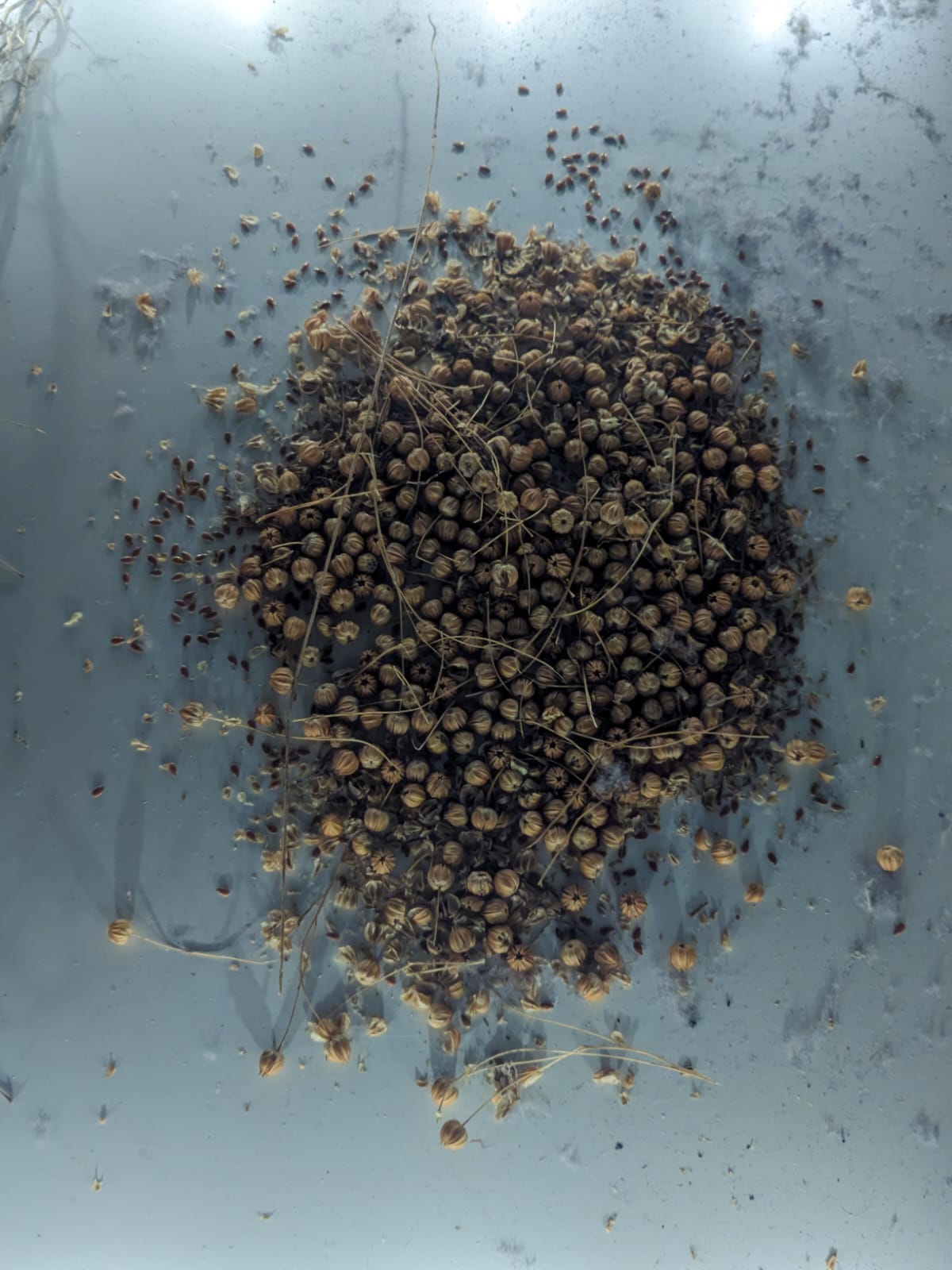
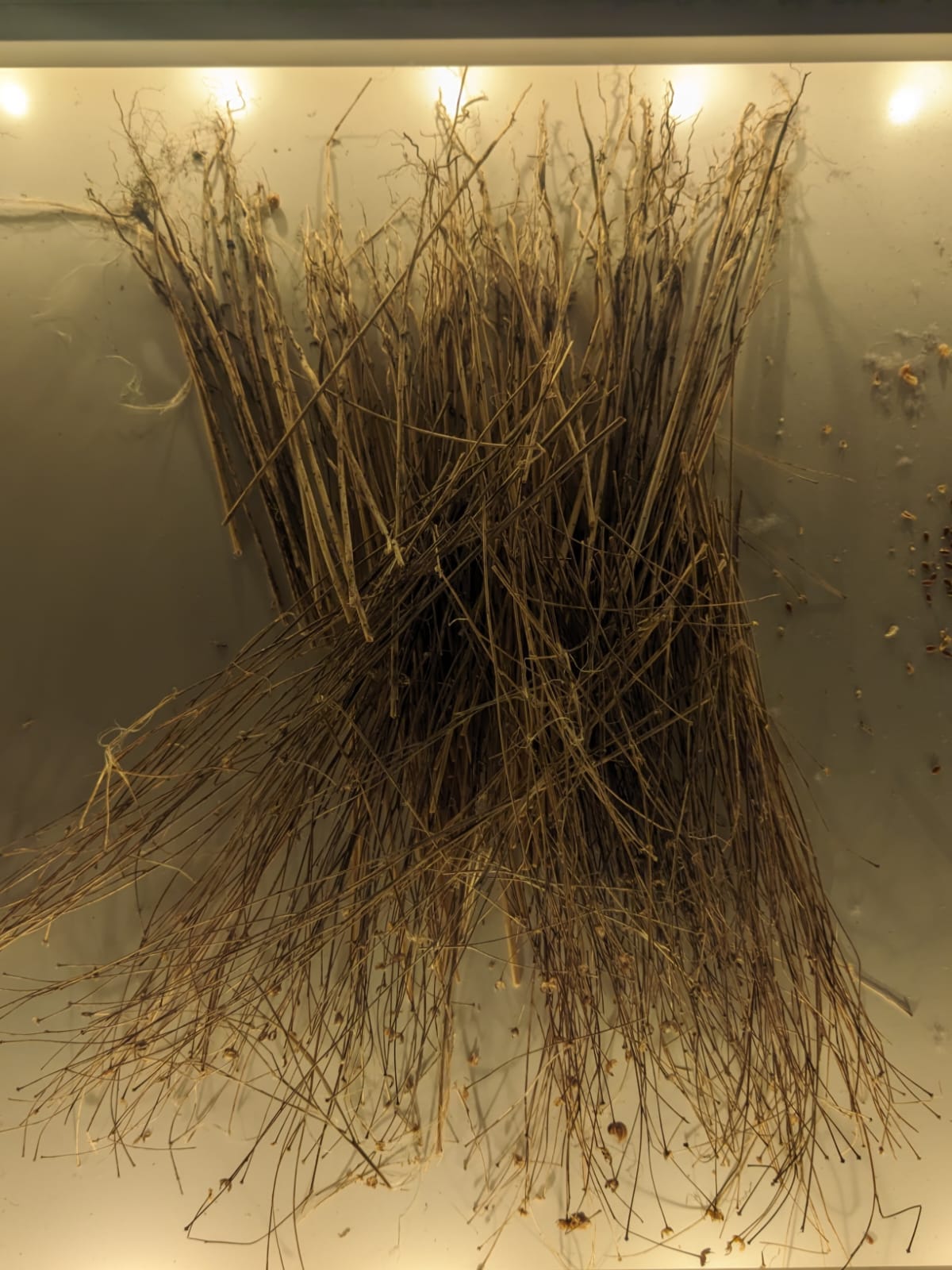
Some of my creations in Linen here