

The Weave is a section of my publication where I explore aspects of fashion and costume history, and how they relate to the way we see and consume fashion today, with a special focus on material culture, craft techniques, sustainability, menswear, and queer masculinity.
This piece explores fashion as a symbol of overconsumption, superficiality, and the desire to maintain social appearances.
The sumptuary laws became a fascinating subject to me, and I briefly mentioned them here and here, and how they were meant, in part, to keep society virtuous during a time of increasing wealth and material possession.
I truly believe that fashion, costume, and textile history exist at the same intellectual level as fields like history, sociology, and archaeology, and I have never quite understood why this cultural potential is so often overlooked, or why the fashion industry itself seems to promote the sense of superficiality that people associate with it.
By studying these laws and how people interacted with the moral values, clothing, and image of their time, I began to see patterns and dynamics that are still present today. Even though they may not provide clear answers, they can offer some insight on many aspects of contemporary fashion and how the public engages with it.
Fashion as a class battlefield:
Until the 13th century, clothing was primarily about functionality. It was during this period that attention to detail, materials, and meaning began to emerge. As my former costume history professor used to say, this marked the birth of fashion as a pursuit of aesthetics and opulence.
By the 15th and 16th centuries, a period marked by increasing social mobility, the bourgeoisie were getting closer to the nobility. Fashion became the medium through which these classes asserted their positions. Those who were not born into nobility but were rising economically began to seek out materials and garments associated with the aristocracy. In contrast, many nobles pushed for sumptuary laws not only to promote virtue, but also to reinforce class divisions.
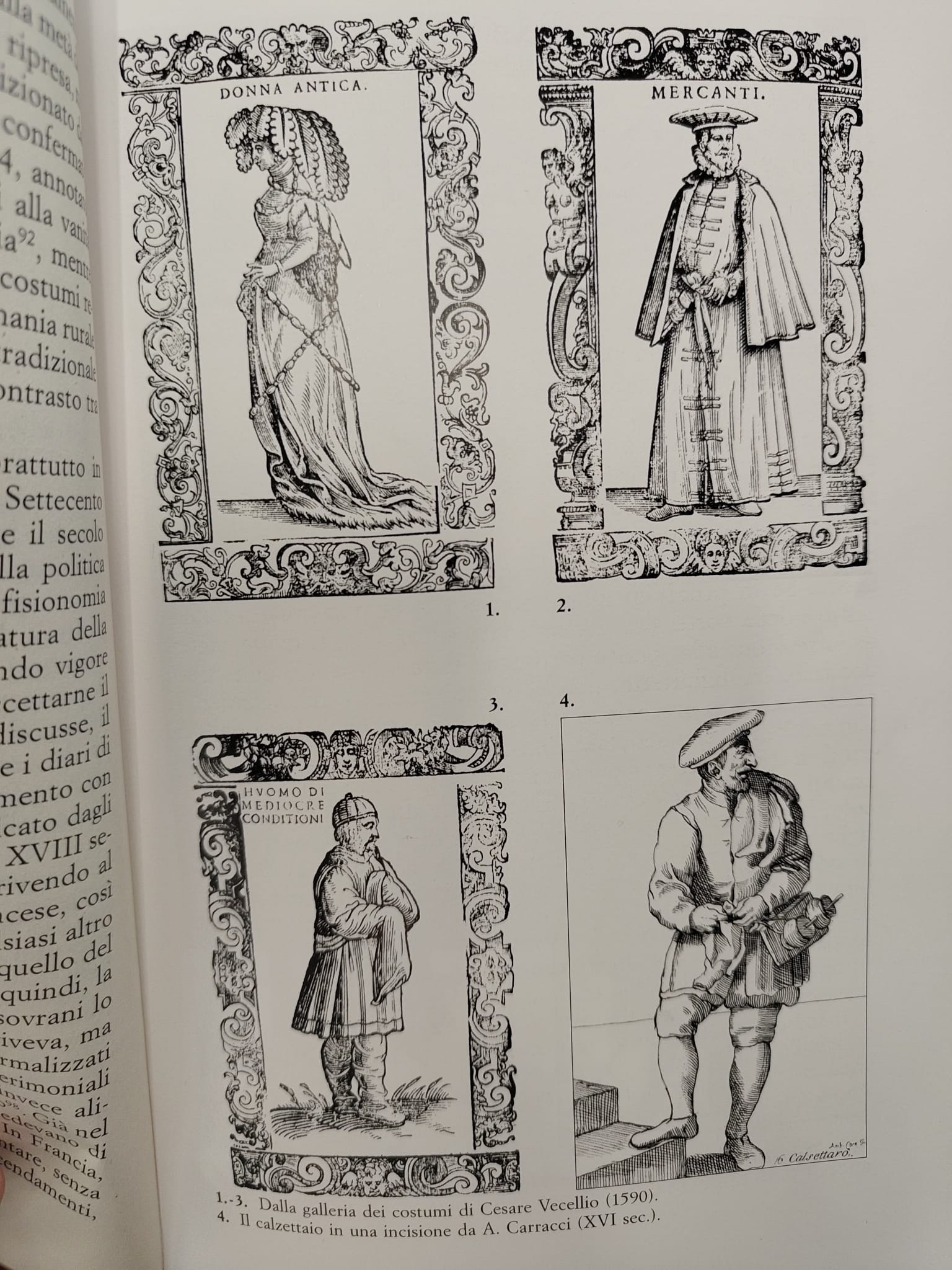
“An English Puritan named Philip Stubbs writes in The Anatomie of Abuses (1583):”
“Now in England there is such a mixture of dress and with it such ridiculous exaggeration that any person is allowed to go about in any dress he may desire or procure by any means, so that it is really difficult to know who is noble, who is worthy of respect, who is a gentleman or who is not…”
“In La civil conversazione (1574), Italian diplomat Stefano Guazzo states:”
“The indiscretion of some ignoble rich people, who are not ashamed to dress nobly and bear arms meant only to knights … no distinction between their ranks is known any more, and you see that the peasants presume to compete in clothing with the craftsmen, and the craftsmen with the merchants, and the merchants with the nobles.”
And in 1565, an anonymous letter was written in Milan as a protest, stating:
If it were said that the great decorum of a city is the power of its clothes to distinguish at first sight the ignoble from the noble...
The height of this dynamic came in the 18th century, particularly in the court of Versailles. The nobles’ attempt to differentiate themselves from the bourgeoisie gave rise to increasingly extravagant fabrics, garments, and silhouettes. Versailles became the center of a fashion system driven by novelty and excess. Soon the first magazine to cover the idea of fashion, the Mercure Galant, would put Versailles as the official trendsetter, creating a sort of ‘trickle down’ fashion system:
The court of Versailles
The old nobility (and other royal and noble courts around the continent)
The Parisian high class
The ‘new rich’
The urban lower classes
The countryside
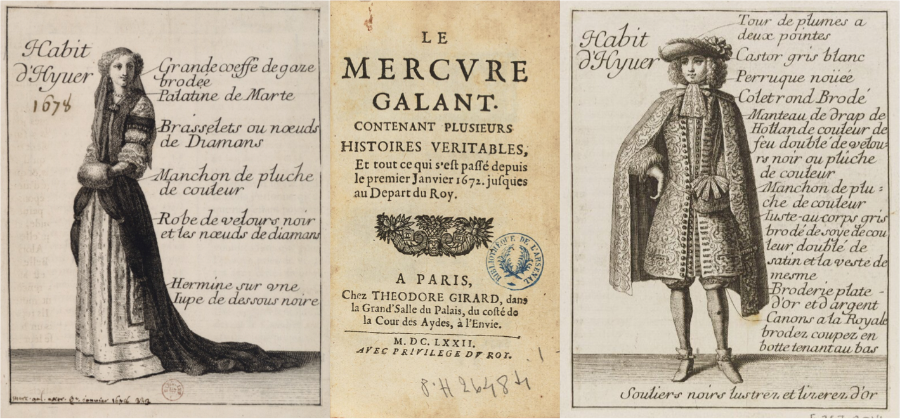
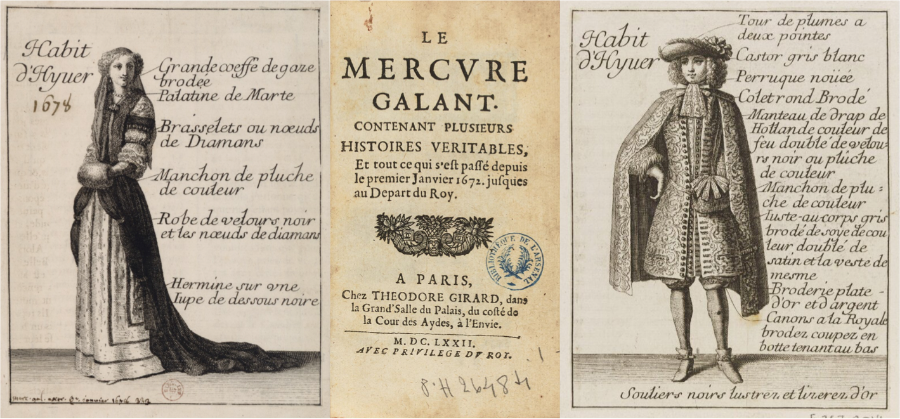
Material culture
The rise of a new class with access to goods once reserved for the old nobility was not the only factor driving this culture of appearances. Economic growth also introduced new materials and production methods, often aimed at reducing costs.
People now had access to silk blended with linen, wool, or other cheaper materials, and decorative motifs and elements were getting smaller, requiring less time and fewer resources to produce. Knitted pieces started to replace garments that were traditionally made with woven fabrics, such as the tights, which could be considered one of the first cases of ready-to-wear, as people could buy the ready-made pieces directly, instead of ordering made-to-measure.
There was also the emergence of clothing rental for special occasions, allowing individuals to present themselves in a certain way without excessive expense. This enabled not only the wealthy bourgeoisie, but also the middle classes, to participate in this system of appearances.
Fashion people
The superficiality of this race for novelty and appearances within fashion soon became apparent. As the fashion system was closely tied to the French court, many of its critics were English writers, who viewed this consumption-driven approach as incompatible with values of modesty and moderation promoted by the growing Protestant culture of English society.
This little rant, written anonymously, shows the English opposition to the new fashion system:
Is there another nation on the face of the earth today that can compare with us in this abominable sin of pride? Our excess in dress would say no, for both men and women of all conditions and ranks, from the highest to the lowest, sin so monstrously...
... And just as men and women overindulge in the substance of their dress, so too do they daily display their abominable pride in their inconstancy, for no color, shape, or form satisfies them entirely.
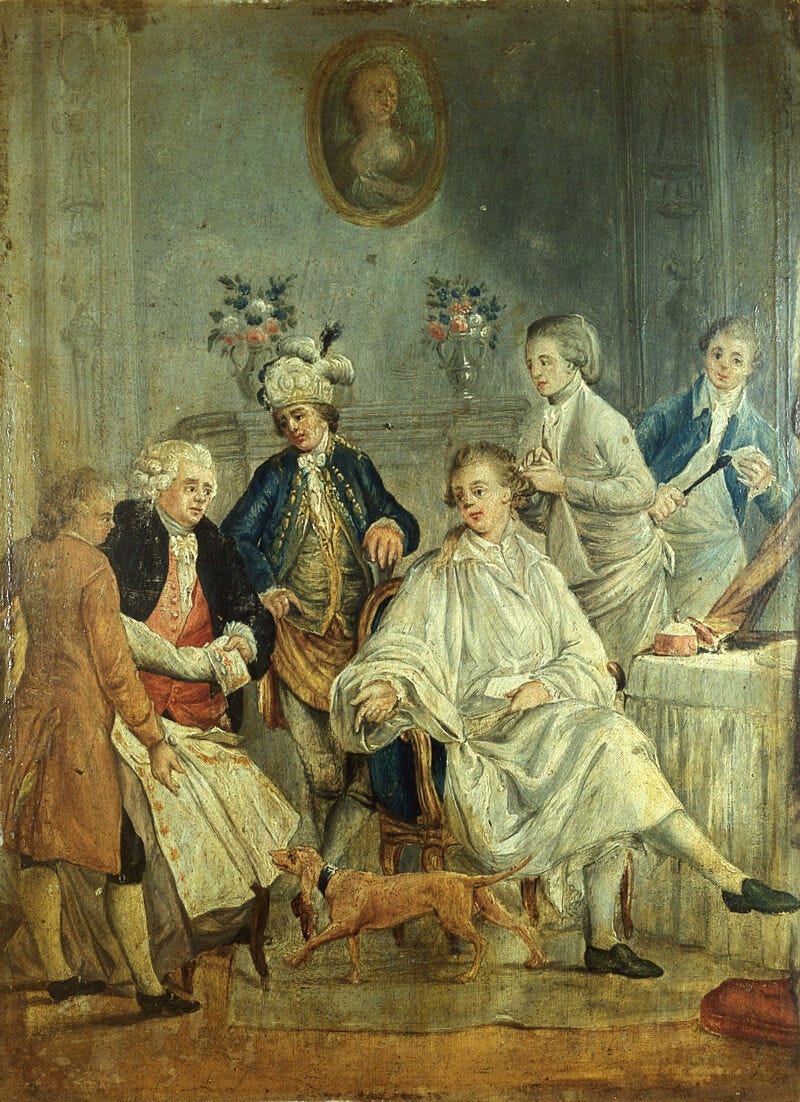
But the English were not the only ones to speak out against this new way of dressing. The Dutch, influenced by similar Puritan ideals, also opposed the culture emerging from Versailles. Bernard de Mandeville, in The Fable of the Bees, described fashion as a tool for climbing the social hierarchy:
People, if they are not otherwise known, are usually honored according to their clothing and other adornments... This is what drives all those who are aware of their little merit to wear, if they can, clothes superior to their rank, especially in large and populous cities where obscure people can meet fifty strangers in an hour for one well-known person, and thus have the pleasure of being esteemed by a large majority not for what they are, but for what they appear to be. And this is too strong a temptation for many.

But what does all of this have to do with fashion today? If we look closer, these dynamics are still happening: The quiet luxury of the ‘old money’ people, mostly hidden from others, serves to distance them from the extravagance and attention-seeking of the ‘new rich’, who are desperate to be seen, envied, and desired. While those with no money, contemporary peasants consumed by social media and influencer culture, try at all costs to resemble the new rich, going for cheap knockoffs. Or for those of the working class with a bit more privilege, saving money in order to be able to show a designer piece. In the same way, the bourgeoisie started to consume the new inventions of the 15th century.
The mannerisms are also copied, transformed and exaggerated in order to portray a higher position, with an unnecessary sense of superiority, arrogance and bitterness. What is important is to not be perceived as what you really are.
It’s like the ouroboros: There is the urge to create and show perfect, fabricated version of yourself, in order to feel closer to those you aspire to be, which in turn will influence others more unprivileged than you to do the same. And those at the ‘top’ will continue to distance themselves further, feeding the fire that is the dissonance between the self and performance.
And the masses will stand in awe.
Great article, thank you for sharing it! 👏🏾👏🏾👏🏾🫂
Fascinating!