

from so simple a beginning endless forms most beautiful and most wonderful have been, and are being, evolved.
As I already said it here, It may be a bit pretentious to start this piece with a Darwin quote, specially when it’s about something ‘serious’ as fashion and clothing, but I’m fascinated by the idea of metamorphosis that it evokes to me: Fibers and raw materials being transformed into woven textiles, that in turn, will be used as pieces to cover and transform our image into how we want to be perceived.
Before I started fashion school, my knowledge and consumption of clothing was done with basically no reflection on materials, construction and labor. I would wear cotton or polyester, and never understand why the Brazilian heat was hotter and more unbearable every time I had the later on my body. I also didn’t care about what cotton I was wearing, the tinctures used, and how it was cultivated. Which is normal, as people outside of an industry are not obliged to know its technicalities in extensive detail. Things obviously changed when I started to research more about different textiles and fibers, either for my own creations or for buying new pieces.
Hemp was the first one to get my attention, probably because back then it was a completely new finding for me. It sounded like a miraculous fiber when I first heard about it: A durable and resistant fiber and yet, it softens with use, improves soil health and requires less water and no pesticides for cultivation, it’s UV resistant, breathable and naturally antimicrobial and hypoallergenic. I also loved the aesthetic of it. Raw, a bit wrinkly and soft.
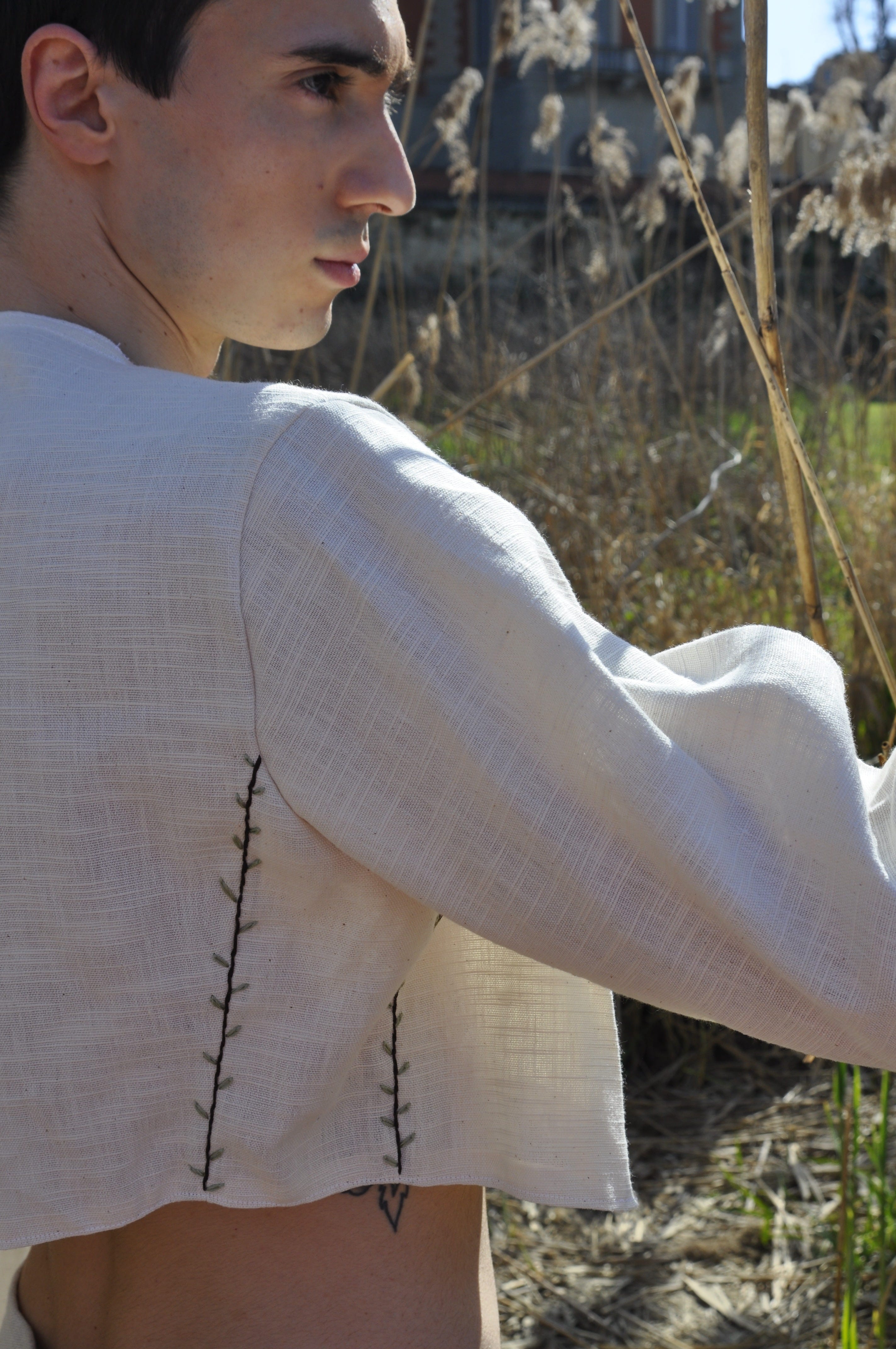
Bamboo was the second big one that I got into. It’s also breathable, antimicrobial, hypoallergenic and UV resistant. But different from hemp, it looks much more refined and sophisticated as a fabric in my opinion. Sometimes it can get closer to silk, although it still wrinkles depending on where and how you wear it. What sets me back with bamboo is that although the fiber in itself is sustainable and has health benefits, it can be produced in a way that requires a lot of resources and produces a lot of waste. It’s still better than regular cotton and polyester, but it requires more research if one is looking for the most sustainable option.
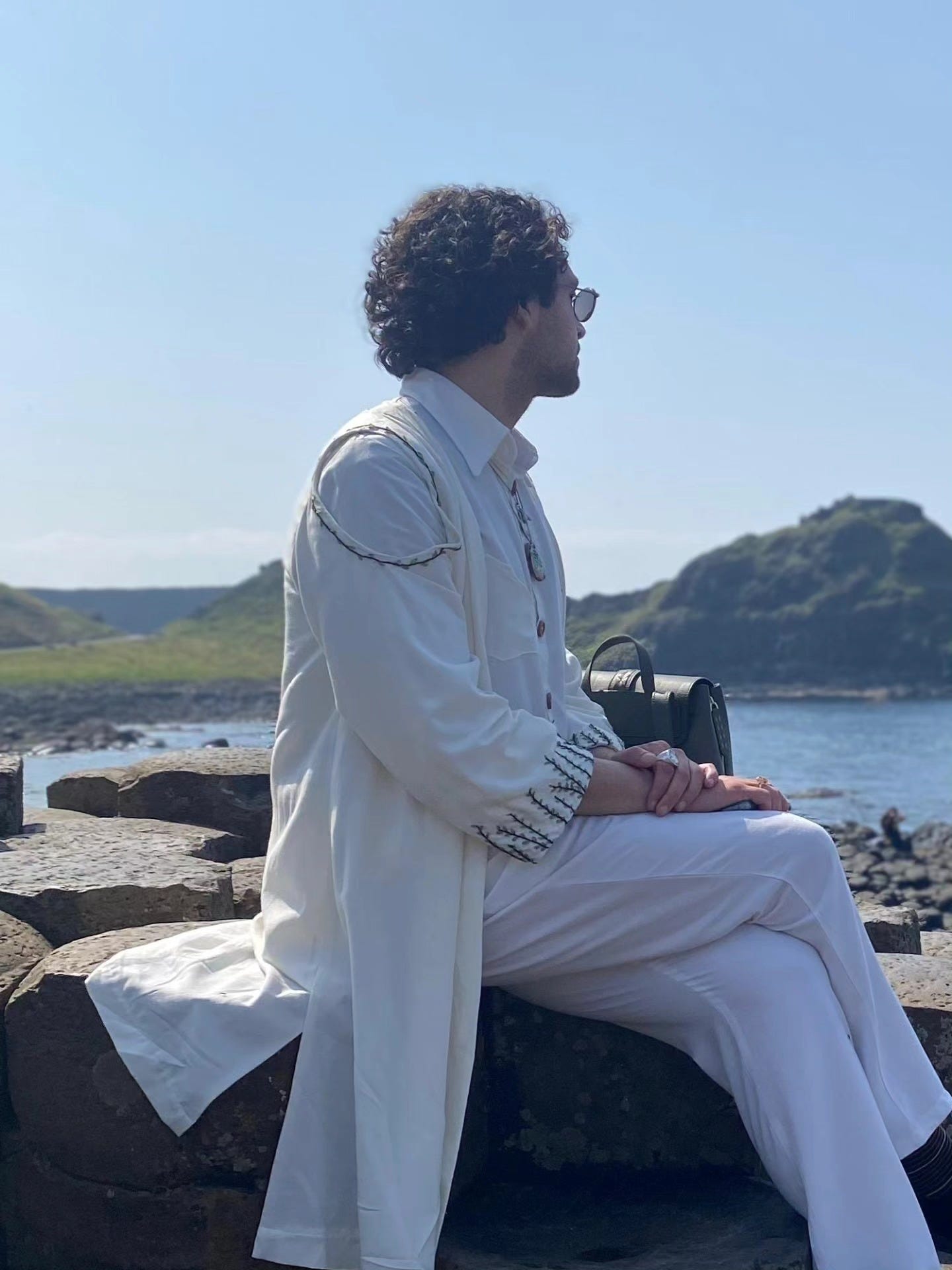
Nettle soon came to my radar too, with very similar properties as hemp, but it has more strength and durability, it’s fast growing. In my opinion, at least by the fabrics I could find, I also think that nettle looks and feels more sophisticated and refined in comparison to hemp. Its a very versatile fiber. I once made a cardigan with a nettle jersey fabric and it’s quite warm, but I also worked with lightweight and almost transparent nettle woven textiles.
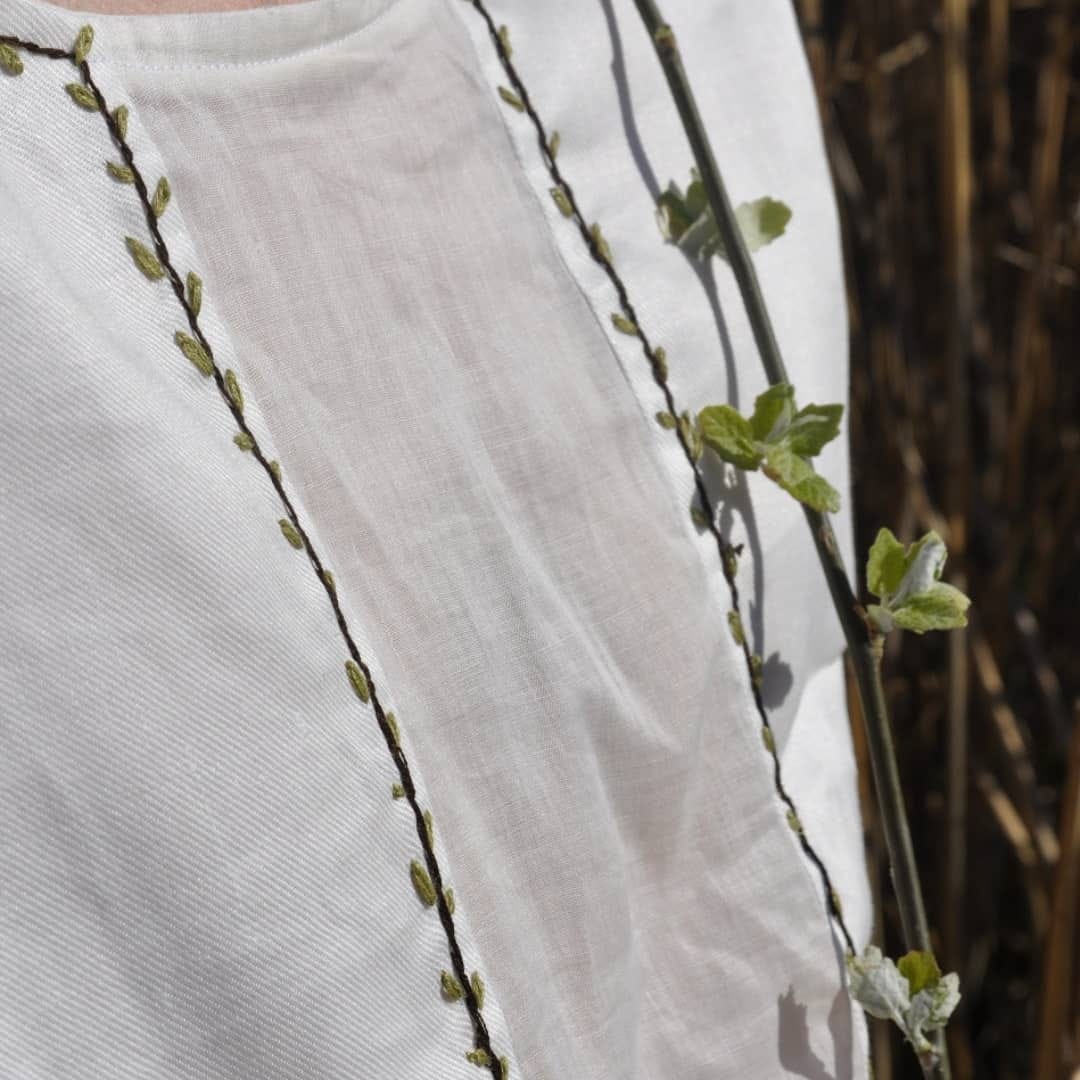
These three fibers were giving me the excitement of discovery, and still are the ‘shinning things’ that I look for when I want to star a new project or get a new piece. But when I think about mainstream availability, there are indeed better options for people who are not really into fashion, or that don’t want to spend much time researching about fabrics:
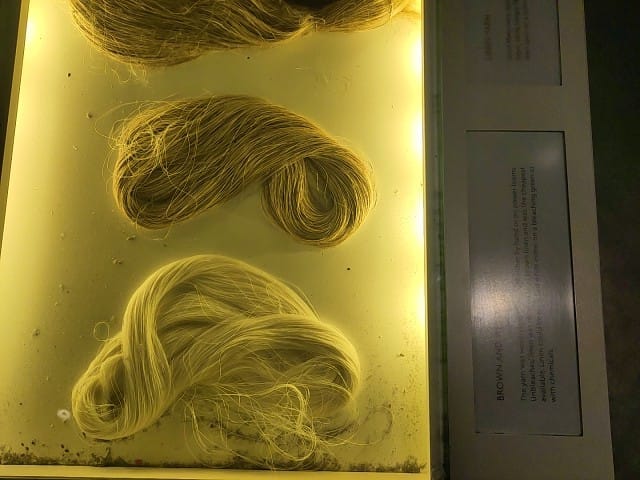
Linen has all the properties of hemp and nettle. It’s perfect for summer as it absorbs and dries moist quickly, and as it has a low elasticity, it also has the rustic and wrinkly aesthetic of hemp. It’s by far one of the most available and affordable sustainable fibers for sewists, fiber artists, designers and consumers. Last summer I had the opportunity to visit Belfast, which has a rich history as a linen capital and wrote about it here.
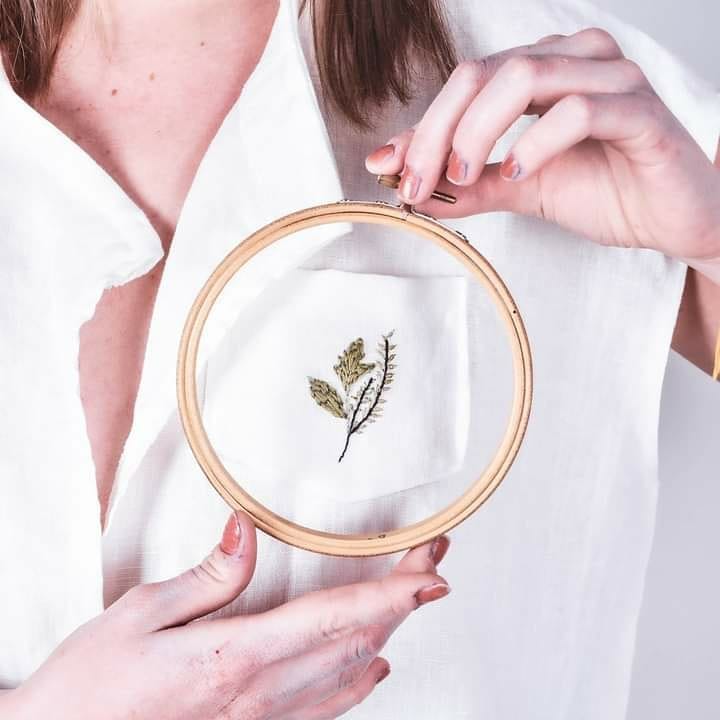
Organic cotton is a tricky one. The advantage is that it doesn’t require the use of pesticides and other toxic substances, and it’s also relatively easy to find. But in terms of water and land usage, there is no difference from regular cotton. Regenerative cotton might be the most sustainable option, growing the fiber with practices that improve soil health and biodiversity. But for the sake of transparency, I must say that I couldn’t find any fabric made of regenerative cotton yet. Maybe I have to make more research about it, or if there is a company that sells it near me.
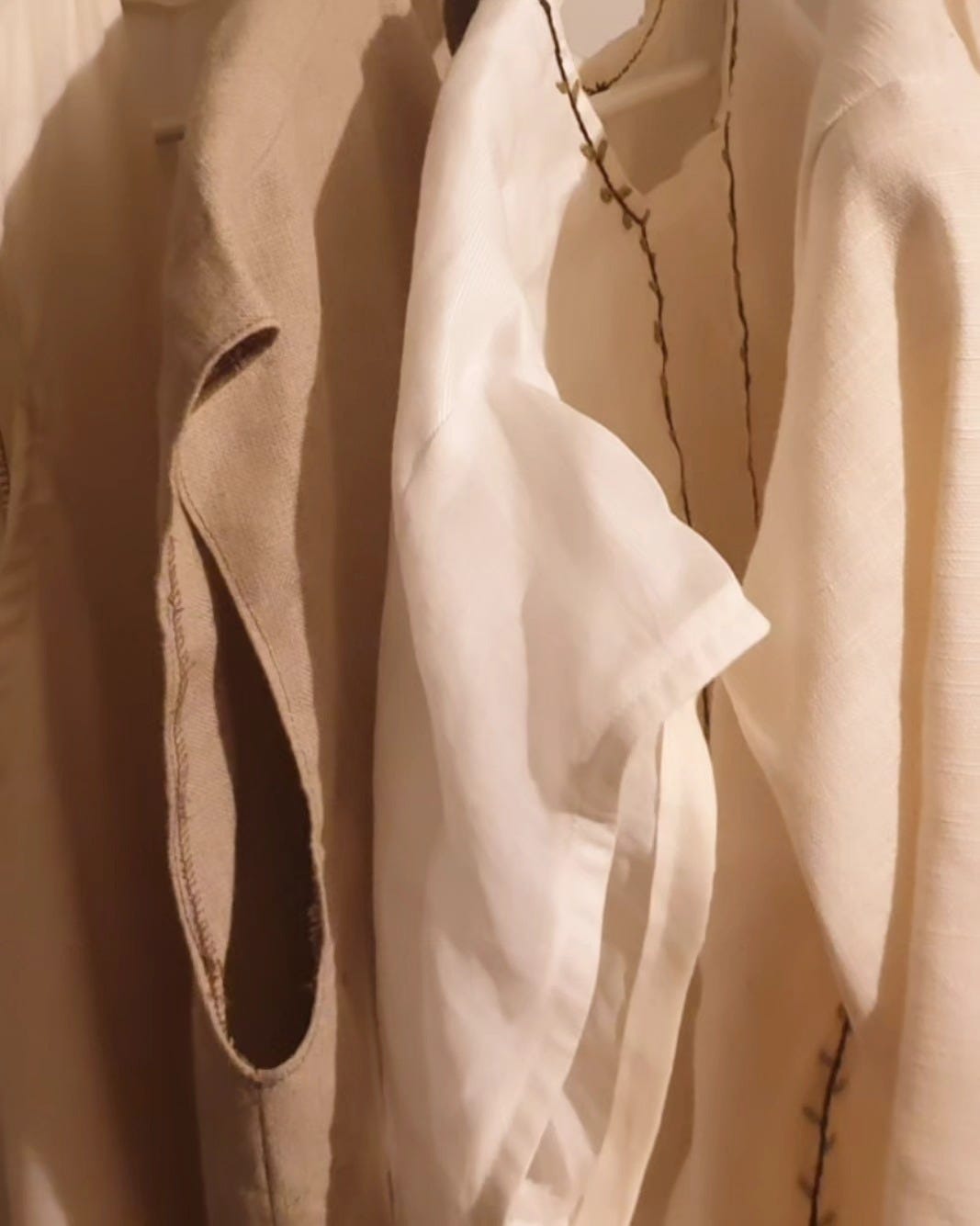
But besides being environmentally friendly and having many benefits to the human body, another aspect of natural fabrics that I’m obsessed with, is how serene they look. Something that I believe to be truly beautiful.
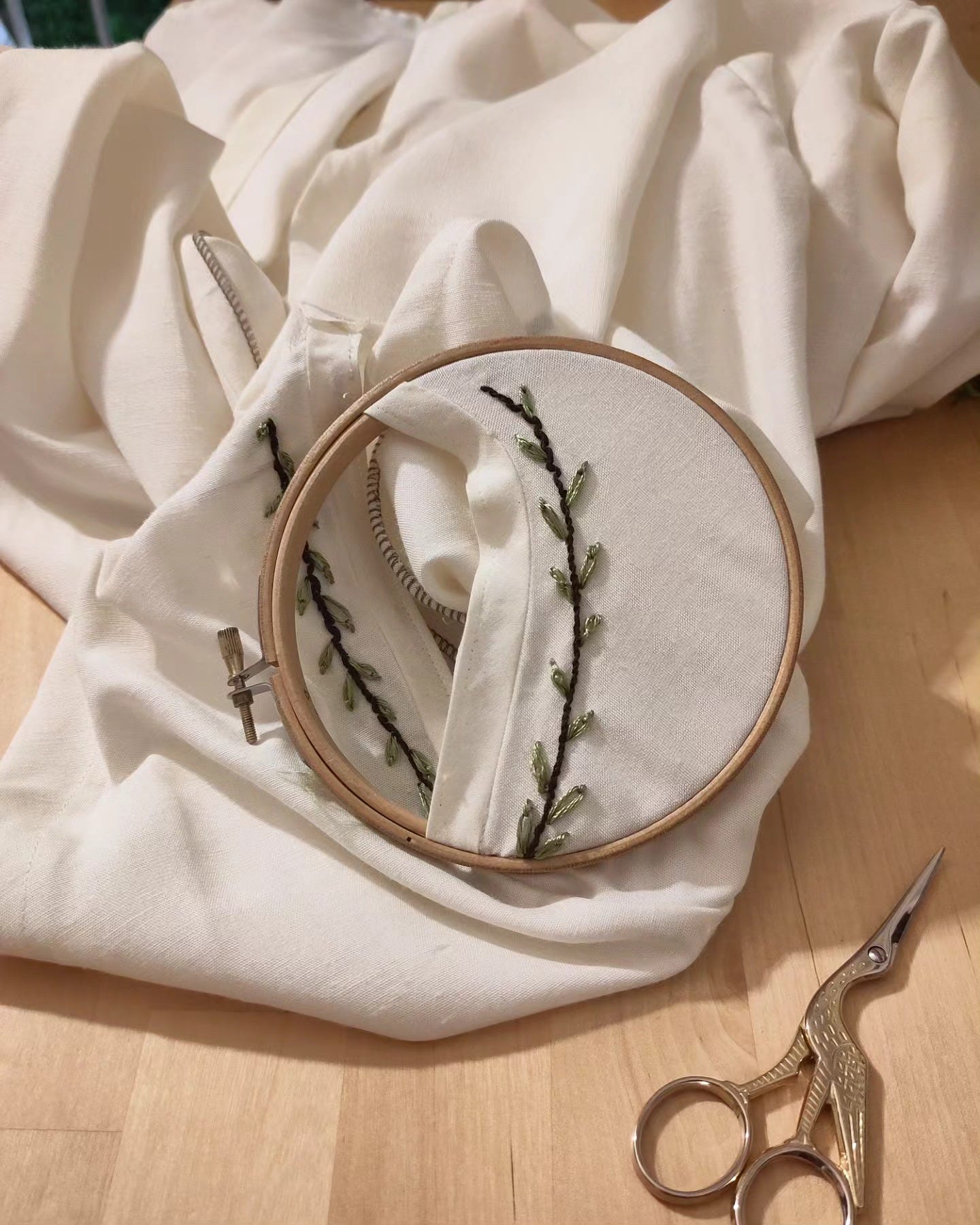
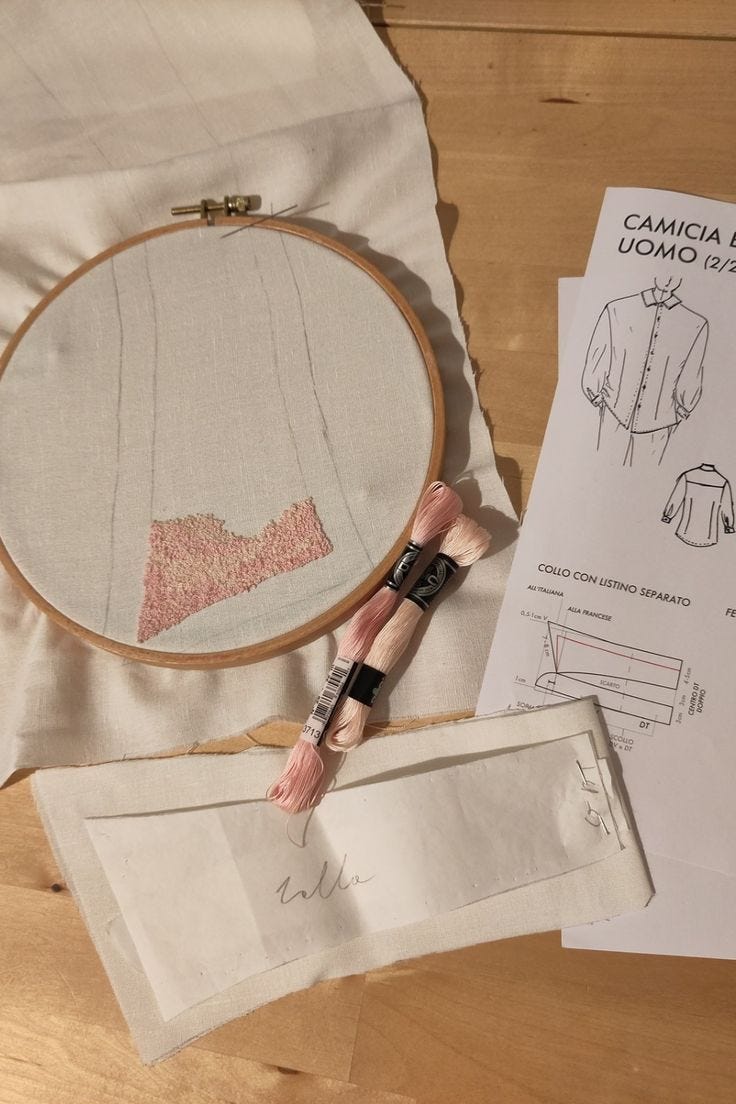
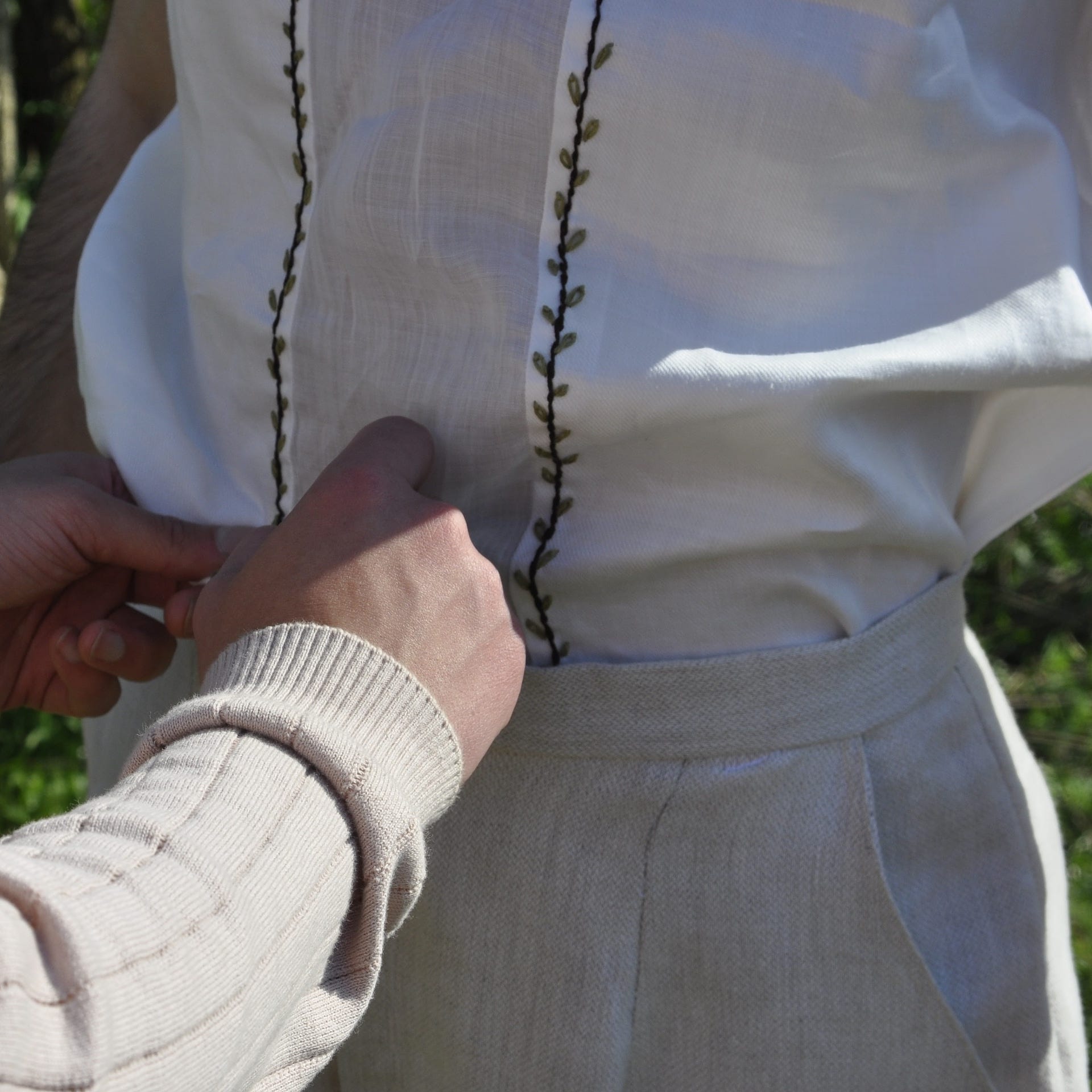
There are many sustainable ways to dye a fabric, but I just love this clean slate visual that they have in their natural form. A sense of softness that doesn’t disrupts. A calmness when you gaze at them, and how it feels when they touch your skin. I like to use small embroidery and fabric manipulations as a form of decoration, but never too much, in order to keep this otherworldly purity.
It may sound exaggerated, but having this sort of connection to what you consume is also a way to reduce unnecessary waste. Sustainability is not only about the most optimal and innovative material, but a change in mindset: It’s when we ask ourselves why we need something, and what it means to us, and then everything has more depth and intention. Is a way of self reflection, and really paying attention to your thoughts and needs. It’s a way to consecrate your life, to make it holy and connect yourself to the environment around.
When I started to dress with the forest
We were together as one.
I returned a body to dust
and earth
In a weaving of (re)connection,
Of a thousand fingers
Who threaded every fiber.
Oh my goodness I loved reading this!! I love your relationship with artisanal craft and also the connection to natural fibers you have as a designer, that spans beyond just the physical material. An appreciation for the craft translates to deeper appreciation for the end product of clothes on your body, a type of connection I think a lot of non designer people don’t have.
I’m big into sustainable fashion and have more recently been very interested in handcrafted textiles using locally sourced materials, careful craft, and unique style. Your pieces are beautiful! I’m excited to learn more about this practice and keep up:)
I love natural fibers, linen is yummy. Your clothing and embroidery is lovely. I've made my own clothing too and embroidered! We have a few things in common. 😊🎀